
Radio has traditionally been built around the strength and personality of a single host. While this model has shaped some of the most recognizable programs in broadcasting, it also creates structural limitations. When the identity and flow of a show depend heavily on one individual, production becomes difficult to scale and less resilient to change. Scheduling flexibility, content continuity, and format replication across different time slots or markets can become challenging. This concentration of creative and operational responsibility in one host can also limit the diversity of perspectives and interactions that enrich the listening experience.
As the media landscape evolves, radio organizations are increasingly expected to operate beyond the boundaries of traditional broadcasting. Audiences now engage with audio content across multiple platforms, from live radio to podcasts, social media clips, and on-demand formats. This shift increases the demand for continuous, adaptable content while requiring greater consistency in quality and delivery. To meet these expectations, broadcasters need formats that can be replicated, adapted, and sustained across different schedules and channels without relying on a single point of creative or operational dependency. Scalable program structures therefore become essential for maintaining both efficiency and editorial continuity in modern radio operations.
Introducing our Radio Co-host
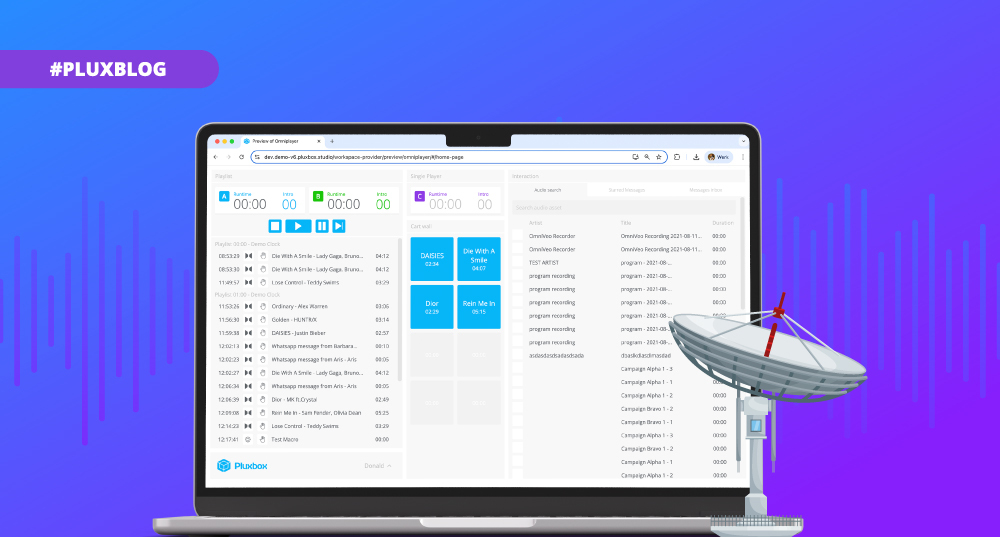
A Co-Hosting Model is designed to bring greater coordination and operational efficiency to radio production, supporting multiple hosts within a unified workflow environment. Instead of relying on informal collaboration between presenters, this model structures how hosts interact, manage segments, and control the technical elements of a broadcast. Our Radio Co-Host brings these elements together in one intuitive interface, allowing hosts to integrate and control audio players, manage scripts, and coordinate segments in real time. Our model centralizes all these functions, helping teams to maintain smooth communication on-air, streamline production tasks, and adapt broadcasts more easily, while offering the flexibility to add the features each station needs to deliver seamless and engaging programming.
The Operational Value of Co-hosting
The result is a more resilient and efficient broadcasting environment where production no longer depends on a single individual. Structured Co-hosting distributes responsibilities across the team, allowing hosts to manage different aspects of the show while maintaining a consistent flow on-air. This not only improves coordination during live broadcasts, but also reduces operational pressure, making schedules easier to maintain and formats easier to replicate. With clearer roles and shared control of production elements, stations can produce richer conversations, adapt more quickly to changing programming needs, and deliver more consistent, high-quality content across their broadcasting operations.
Discover here how we have already transformed the radio experience: https://pluxbox.com/resources/case/rtl-belgium-empowering-presenters-with-digital-live-radio-production/
